

Teeth grinding, medically known as bruxism, is a surprisingly common condition that affects people of all ages. While occasional grinding may seem harmless, chronic bruxism can lead to serious dental problems, jaw pain, and even sleep disturbances. Unfortunately, many people are unaware that they are grinding their teeth until noticeable symptoms develop. Understanding what bruxism is, recognizing its signs, and learning about professional treatment options and preventive strategies can help protect your oral health and overall well-being.
What Is Bruxism and How Do You Know You Have It?
Bruxism refers to the involuntary grinding or clenching of teeth, often occurring during sleep, but sometimes while awake. Many people are unaware they grind their teeth, and the first signs may appear in the form of dental issues or physical discomfort. Common indicators of bruxism include:
- Worn, flattened, or chipped teeth
- Jaw pain, soreness, or stiffness
- Frequent headaches, especially upon waking
- Earaches or pressure in the jaw
- Indentations on the tongue or inner cheeks
Stress, anxiety, sleep disorders, and certain lifestyle factors like caffeine or alcohol consumption can increase the likelihood of bruxism. Teeth grinding may also occur in people with misaligned teeth, bite issues, or certain neurological conditions. Recognizing these warning signs early is key, as untreated grinding can cause permanent dental damage over time. Regular dental checkups often reveal early signs that a patient may not notice on their own.
The Long-Term Effects on Oral Health
Chronic bruxism can have significant consequences for both teeth and jaw. Repeated grinding gradually wears down tooth enamel, leaving teeth more susceptible to sensitivity, decay, and fractures. Damaged teeth can affect bite alignment, making it uncomfortable to chew or speak properly. Over time, this may lead to additional dental procedures, such as fillings, crowns, or even root canals, if decay or fractures occur.
Bruxism can also strain the temporomandibular joint (TMJ), which connects the jaw to the skull. TMJ disorders can cause pain, limited jaw movement, clicking or popping sounds, and headaches. In severe cases, untreated bruxism can contribute to chronic facial pain, neck discomfort, and disrupted sleep patterns, which may impact overall health and daily functioning.
Because the effects of bruxism accumulate gradually, early detection and intervention are critical. Identifying and managing the condition promptly can prevent long-term complications and maintain oral health.
Professional Treatments for Bruxism
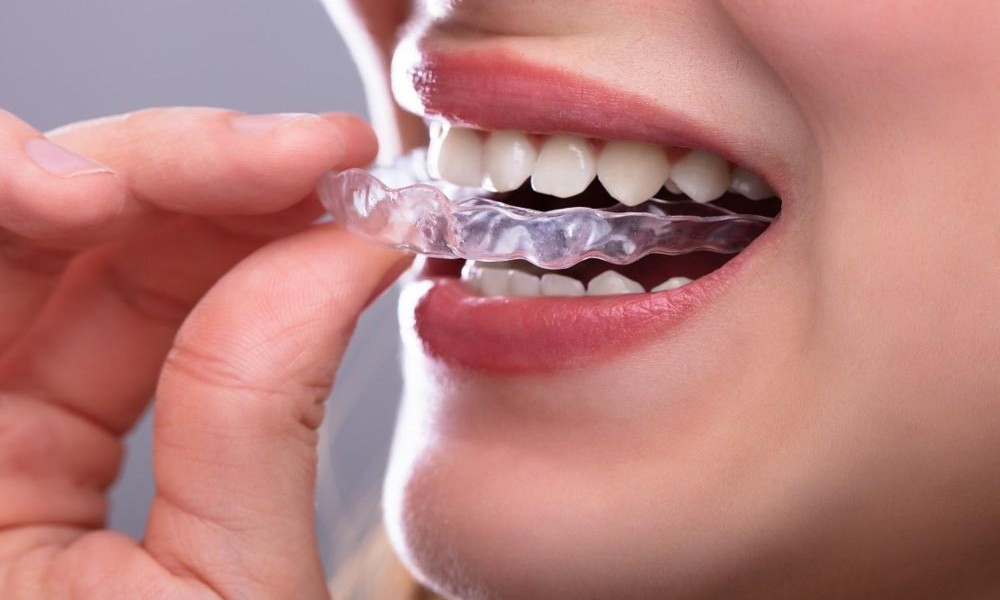
Dentists offer several effective strategies for managing bruxism, ranging from protective appliances to therapeutic interventions. One of the most common and effective solutions is a custom-fitted night guard, which is worn over the teeth during sleep. Night guards act as a cushion, reducing pressure on teeth and the jaw while preventing further wear and damage.
For patients experiencing jaw discomfort or TMJ-related issues, dental professionals may also recommend exercises, stress management techniques, or referral to a specialist for additional therapy. In some severe cases, bite adjustments or restorative dental procedures may be necessary to repair damage caused by chronic grinding.
Practices such as All Smiles Dental provide thorough evaluations for bruxism, offering solutions like custom night guards and guidance on lifestyle adjustments. By consulting a dental professional, patients can receive treatments tailored to their unique needs while addressing any underlying factors, such as bite misalignment or sleep disorders, that may contribute to teeth grinding.
Everyday Prevention Strategies and Insights from Dental Professionals
In addition to professional treatment, daily habits can play a major role in reducing the frequency and intensity of bruxism. Some practical strategies include:
- Stress Management: Practices such as meditation, deep breathing, yoga, or journaling can help reduce tension that may trigger teeth clenching.
- Limiting Stimulants: Reducing caffeine and alcohol, particularly in the evening, may decrease nighttime grinding.
- Jaw Relaxation Exercises: Gentle stretches and applying warm compresses can relieve muscle tension in the jaw.
- Proper Sleep Hygiene: Establishing a consistent sleep routine and ensuring adequate rest can reduce the severity of nocturnal bruxism.
- Mindful Awareness: Some people clench their teeth while concentrating or working. Regularly checking jaw position and consciously relaxing muscles can help prevent damage over time.
Dental professionals stress that combining preventive habits with professional treatments maximizes the protection of teeth and jaw structures. Patients who follow these strategies are less likely to develop severe enamel wear, TMJ disorders, or other long-term complications.
Additionally, lifestyle changes such as maintaining a balanced diet and avoiding chewing on hard objects like pens or ice can further reduce strain on the teeth. These simple adjustments, when paired with dental care, contribute to long-lasting oral health and comfort.
When to Seek Professional Help
It’s important to consult a dentist if you experience any of the signs of bruxism. Even if discomfort seems mild, untreated teeth grinding can escalate over time. Dentists can identify subtle indicators during routine exams, recommend protective appliances, and provide guidance on managing contributing factors such as stress or misaligned teeth. Early intervention often prevents more extensive dental procedures and helps preserve the natural structure of the teeth.
Conclusion
Bruxism may seem like a minor inconvenience, but chronic teeth grinding can cause significant damage to teeth, jaw joints, and overall oral health if left untreated. Recognizing the signs, understanding the potential long-term effects, and taking action through both professional treatments and daily preventive strategies are crucial steps in maintaining a healthy smile. Custom night guards, lifestyle adjustments, and dental guidance can effectively manage bruxism, helping prevent complications and ensuring long-term comfort. By addressing teeth grinding proactively, patients can protect their oral health, reduce pain, and enjoy the confidence that comes with a strong, well-maintained smile.
