

Persistent discomfort in tendons and joints affects thousands of people across the United Kingdom. This ongoing issue can severely limit one’s ability to work, enjoy sports, or perform simple daily tasks.
When conventional approaches like rest or standard physiotherapy fail to provide lasting relief, many individuals feel they have run out of options. A modern, evidence-based approach now offers a compelling alternative to repeated injections or surgical intervention.
This innovative, non-invasive procedure utilises acoustic waves to stimulate the body’s natural healing processes. Clinical studies support its use, showing high success rates for stubborn musculoskeletal conditions.
This comprehensive guide explains how this therapeutic modality works. It details what patients can expect during a session and outlines practical steps for effective rehabilitation afterwards.
Key Takeaways
- Persistent tendon and joint issues are a common problem that impacts quality of life for many in the UK.
- Shockwave therapy represents a modern, non-surgical treatment option supported by substantial clinical evidence.
- The procedure is designed to promote the body’s own repair mechanisms, offering a path to lasting relief.
- It is particularly suited to conditions that have not responded adequately to traditional management strategies.
- Understanding the process and recovery expectations can help individuals make an informed choice about their care.
- The treatment is recognised as a cost-effective and efficient solution within contemporary rehabilitation.
Introduction to Shockwave Therapy
Originally conceived for urological applications, a treatment using sound waves has found a new purpose in orthopaedics. Known as extracorporeal shockwave therapy (ESWT), this method delivers acoustic energy through the skin.
Extracorporeal simply means the process happens outside the body. It stimulates natural healing in damaged soft tissues.
Overview of the Treatment
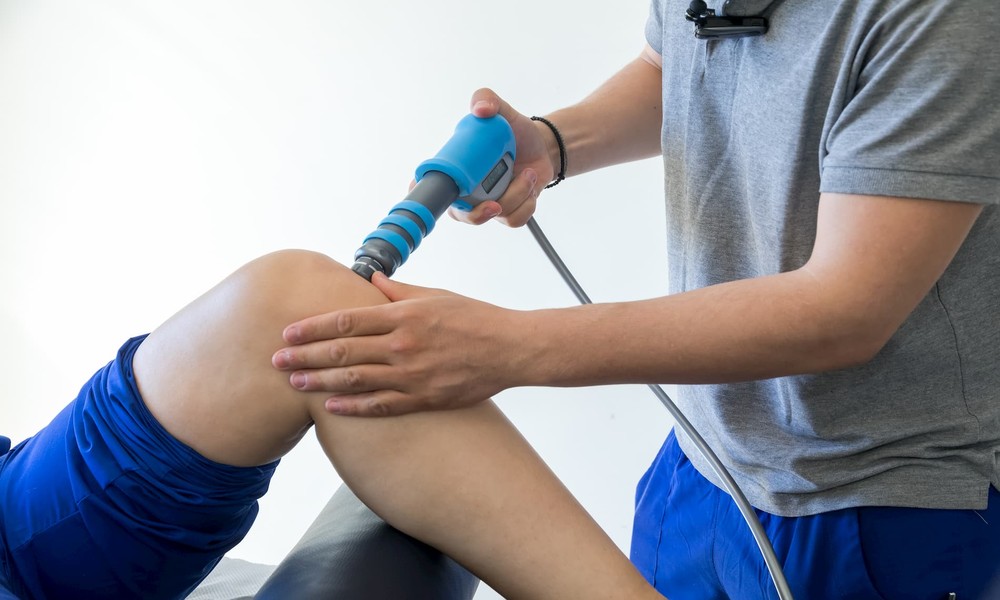
A specialist device generates mechanical pulses. These are audible, low-energy sound waves. They penetrate the tissue without surgery or incisions.
Strong evidence from randomised clinical trials supports its use. It is a safe, non-invasive outpatient procedure. Sessions are typically short and require no hospital stay.
Who Can Benefit?
This approach is suited to patients with long-standing tendon issues. It helps when rest, physiotherapy, or orthotics have not worked.
Common conditions that may improve include:
- Plantar fasciitis
- Achilles tendinopathy
- Tennis elbow (lateral epicondylitis)
- Rotator cuff tendinitis
The treatment is not suitable for everyone. Contraindications include pregnancy, active tumours, or blood clotting disorders. It offers a modern alternative to repeated steroid injections.
Understanding shockwave therapy for chronic tendon and joint pain
The journey from acute injury to persistent discomfort often involves complex changes within the tendon’s structure. Unlike muscles, tendons have a naturally poor blood supply. This means they receive fewer nutrients and oxygen, resulting in slower healing times that can extend for months or even years.
Chronic tendon pain frequently develops from repetitive stress, overuse, or sudden increases in activity. These factors lead to degenerative changes within the tissue itself. When healing is incomplete, disorganised tissue, scar tissue, and calcium deposits can form.
“Tendon biology is unique. Their limited vascularity means standard recovery protocols often hit a plateau, requiring a targeted approach to restart the healing cascade.”
This is where a modern, acoustic wave-based intervention shows its value. It specifically targets these stubborn tendon issues by jumpstarting the body’s natural repair mechanisms. The goal is to break down damaged tissue and promote the regeneration of healthy tendon fibres.
| Common Condition | Primary Cause | Characteristic Feature |
|---|---|---|
| Plantar Fasciitis | Repetitive strain on the foot’s arch | Heel pain, especially with first steps |
| Achilles Tendinopathy | Overuse from running or jumping | Stiffness and pain at the back of the heel |
| Tennis Elbow | Repetitive wrist and arm motions | Pain on the outer part of the elbow |
| Rotator Cuff Tendinitis | Overhead activities or ageing | Shoulder pain and weakness when lifting |
Understanding the difference between acute and chronic tendon injuries is crucial. The treatment discussed is most effective for long-standing conditions where normal healing has stalled. While rest and traditional physiotherapy remain vital, this method offers an additional tool to accelerate recovery when other interventions have plateaued.
How Shockwave Therapy Works
At the core of this treatment is a device that generates targeted pressure waves to stimulate repair. A portable machine uses compressed air to accelerate a small projectile inside a tube at speeds up to 62 mph.
When this projectile strikes an applicator head placed against the skin, the impact energy converts into acoustic pressure waves. These waves can penetrate soft tissue to depths of up to 6 centimetres.
Mechanism of Action and Increased Blood Flow
The primary mechanical effect induces controlled stress on the tissue. This stress promotes neovascularisation, which is the formation of new blood vessels.
Enhanced blood flow delivers more oxygen and nutrients to the injured area. This crucial step restarts a stalled healing process.
Stimulating Tissue Micro-Trauma for Natural Healing
The waves also create deliberate micro-trauma within the tissue. This minor damage signals the body to activate its innate repair systems.
This action triggers a biological cascade. Tenocyte cells proliferate, and the synthesis of collagen types I and III increases.
| Biological Process | Key Effect | Outcome |
|---|---|---|
| Neovascularisation | Forms new blood vessels | Increases blood flow and nutrient delivery |
| Tenocyte Stimulation | Activates specialised cells | Promotes cellular repair and matrix production |
| Collagen Synthesis | Boosts Type I & III collagen | Improves structural integrity and elasticity |
| Growth Factor Upregulation | Elevates TGF-β1 & IGF-1 | Accelerates the healing process |
Concurrently, the treatment modulates the local inflammatory response. It helps break down disorganised tissue and calcium deposits.
Clinicians advise against anti-inflammatory medications during the treatment course. This is because the initiated healing is pro-inflammatory by design.
Clinical Benefits and Evidence
National healthcare guidelines in the UK formally recognise the value of this intervention for specific tendinopathies. The National Institute for Health and Care Excellence (NICE) provides evidence-based recommendations supporting its use.
These guidelines cover conditions like plantar fasciitis and achilles tendinopathy.
Restoration of Function and Pain Relief
The primary benefits documented in robust studies are significant pain relief and the restoration of normal function. Multiple randomised controlled trials, the gold standard in research, demonstrate these results.
For chronic plantar fasciitis, high-quality evidence shows improvements in both pain relief and function are sustained long-term. Research indicates a 70% success rate for treating various tendinopathy cases.
In achilles tendinopathy, combining this treatment with specific exercises can yield superior outcomes. Patients often notice meaningful results 6 to 8 weeks after their final session.
Trusted Expertise from The Physio Practice UK
Optimal results are achieved when the treatment is part of a tailored rehabilitation plan. This addresses underlying factors like posture and muscle strength.
The Physio Practice UK employs specialists with advanced training in this area. Their expertise helps patients with stubborn tendon issues achieve lasting pain relief and a return to activity.
Preparing for Your Shockwave Therapy Session
A few simple steps before your appointment can enhance the effectiveness of the procedure. Following this guidance helps ensure you are ready for an optimal experience.
A crucial step involves medications. Patients must stop taking anti-inflammatory drugs like Ibuprofen at least 48 hours before starting. They should avoid these throughout the entire treatment course.
This is because these medications can interfere with the natural healing response the therapy aims to stimulate.
Choosing the right clothing is also important. Wear comfortable, loose-fitting garments that allow easy access to the treatment area.
For example, shorts are ideal for a lower limb issue. Clinics usually provide gowns or disposable shorts if needed.
Imaging, such as X-rays, is not typically required before beginning. Your physiotherapist may recommend it only if more diagnostic clarity is needed.
Arrive for your session well-hydrated and having eaten normally. There are no fasting requirements. Mental preparation is helpful too.
Understanding that the treatment may cause some temporary discomfort allows you to relax. Always communicate openly with your therapist about what you feel.
| Preparation Step | Key Details | Primary Reason |
|---|---|---|
| Medication Management | Stop anti-inflammatories 48 hours prior and during the course. | To avoid suppressing the targeted healing process. |
| Appropriate Attire | Wear loose clothing for easy access to the affected body part. | Allows the practitioner to work effectively on the specific area. |
| General Readiness | Be hydrated, nourished, and mentally prepared for the sensation. | Supports comfort and cooperation during the session. |
Finally, discuss any health concerns or other medications with your physiotherapist beforehand. This ensures the treatment is safe and tailored for you.
Post-Treatment Recovery and Aftercare
Understanding what to expect after your appointment supports a smooth healing journey. Many people notice a significant reduction in discomfort straight away.
It is normal to feel some temporary soreness and tenderness in the area within a few hours. This common reaction rarely lasts more than a day and seldom limits normal activities.
For the first 24 hours after each session, avoid any activity that stresses the treated site. If you had treatment for an Achilles issue, for example, do not run during this period.
Similarly, pause your prescribed rehabilitation exercise programme for a full day. This allows the healing process to begin without interference.
Walking and driving are fine immediately. To protect the effects of your therapy, do not take anti-inflammatory drugs like Ibuprofen. Paracetamol is suitable if needed.
Some minor bruising at the treatment area is also common. The full therapeutic effects often become clear 6-8 weeks after finishing the course.
| Activity | Recommendation | Primary Reason |
|---|---|---|
| Strenuous Exercise | Avoid completely for 24 hours. | Prevents stress on the healing tissues. |
| Rehab Exercise | Pause for 24 hours, then resume. | Allows the initial biological healing response. |
| Anti-inflammatory Medication | Do not use. | Could suppress the intended repair mechanism. |
| Normal Daily Tasks | Usually permitted. | Minimises disruption to your routine. |
Most individuals require only 2-3 sessions. Continuing your tailored exercise plan after the rest day is key for long-term success.
Addressing Potential Side Effects and Risks
When considering any medical procedure, understanding its safety profile is a fundamental step for patients. This acoustic wave treatment is recognised as a non-invasive and safe modality with very few adverse effects.
Experienced practitioners in specialist clinics follow strict protocols to minimise any risks.
Identifying Minor Side Effects
The most common reactions are minor and temporary. They are a normal part of the body‘s healing response to the treatment.
Patients may notice localised redness, mild bruising, or tenderness at the application site. A temporary increase in pain levels can also occur for a short period.
These side effects typically resolve on their own within a few days without needing special care.
| Common Side Effect | Description | Typical Duration |
|---|---|---|
| Localised Redness | Mild skin irritation at the treatment site. | Few hours to a day |
| Bruising | Minor discolouration of the skin and underlying tissue. | 2-4 days |
| Temporary Tenderness | Increased sensitivity to touch in the area. | 24-48 hours |
| Transient Pain Increase | A short-term flare-up of discomfort as healing begins. | Up to 48 hours |
Safety Precautions and When to Seek Advice
This treatment is not suitable for everyone. Important contraindications exist to ensure patient safety.
It is not approved for individuals who are pregnant, have active tumours in the treatment area, or have a known blood clotting disorder. It is also not used on a tendon that has already ruptured.
While serious side effects like tendon rupture are extremely rare, proper patient assessment is vital to avoid them. Patients should contact their clinic immediately if they experience severe or worsening pain, signs of infection, or any unusual symptoms after a session.
Expert Advice and Clinic Selection: Insights from The Physio Practice
Navigating the landscape of available clinics requires careful consideration of a practitioner’s specialisation and credentials. The success of your care often depends on this choice.
Seek out clinics where extracorporeal shockwave treatments are delivered by highly specialised physiotherapists. These clinicians should have advanced training and extensive experience with stubborn soft tissue conditions.
Selecting a Specialist Clinic
A thorough initial assessment is paramount. It determines if your specific injury is suitable for this approach or if alternative treatments are better.
Expert clinics manage a wide range of issues. For the lower limb, this includes plantar fasciitis, achilles tendinopathy, and patellar tendinitis. Upper limb conditions cover tennis elbow, golfer elbow, and various rotator cuff tendinitis types.
Experienced practitioners tailor protocols to each patient’s pain levels and functional goals. This individualisation is especially beneficial for active patients.
Those involved in sports should look for clinics with specific sports injury expertise. Practitioners there understand the biomechanical demands of different sports.
They can integrate extracorporeal shockwave treatments into a complete rehabilitation plan. Always verify that the clinic uses modern equipment and evidence-based methods.
Reputable providers combine this modality with comprehensive physiotherapy. This addresses underlying issues to prevent recurrence.
They will also give clear information on treatment expectations, realistic timelines, and costs. This ensures patients can make a fully informed decision.
Conclusion
Ultimately, this guide has detailed a procedure that combines brevity with profound biological impact. It stands as a robust, evidence-based option for stubborn soft tissue and bone injuries, including achilles tendon issues, plantar fasciitis, and tendinitis.
Each treatment is remarkably efficient, often completed in under twenty minutes. Delivering thousands of targeted pulses, it penetrates deeply to initiate repair. This makes it effective even for complex bone conditions like nonunion fractures.
As a non-invasive modality, it offers significant pain reduction and functional improvement without surgery. Lasting results typically emerge within 6-8 weeks, especially when combined with tailored rehabilitation. Consulting a specialist clinic is the recommended first step.
