

Why Swelling and Sensitivity Feel Different When You Already Manage Allergies
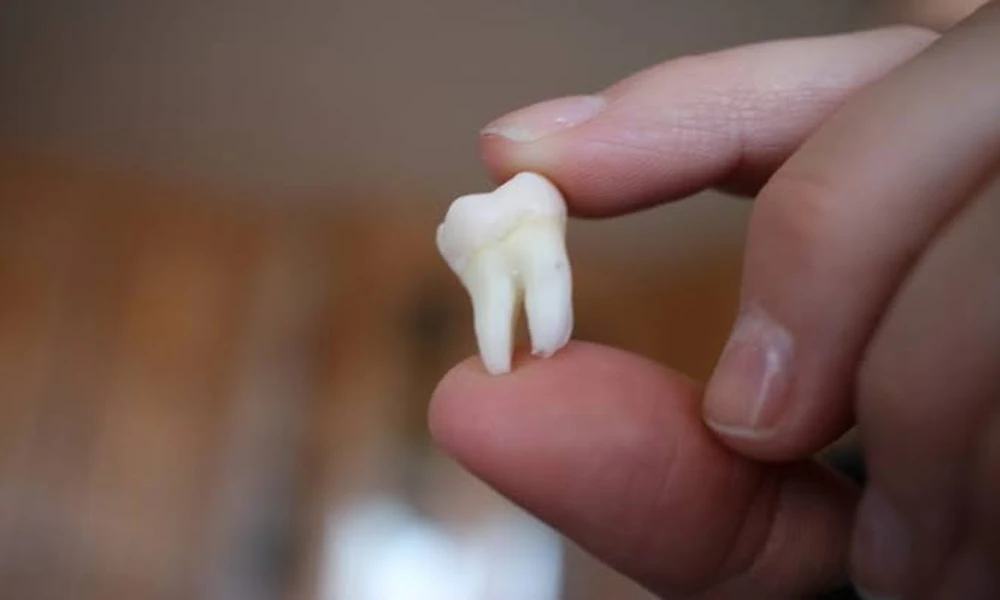
A teenager sits at the kitchen table pressing an ice pack to her jaw, trying to figure out if the ache behind her molars is from a new wisdom tooth coming in or a reaction to something she ate at lunch. Her parents already track every ingredient label because of a peanut allergy, and now they are second-guessing whether the puffiness in her cheek is dental or something else entirely. This kind of overlap is more common than people expect. Oral tissue that is already prone to inflammation from food sensitivities can react more noticeably when a wisdom tooth starts pushing through gum tissue, and the two issues can start to look alike from the outside.
Parents managing food allergies in the household often become experts at reading subtle physical changes, so it makes sense that a sore jaw or a swollen cheek sets off alarm bells. The confusion usually comes from the fact that both allergic reactions and dental inflammation share some of the same signals: puffiness, warmth, tenderness, even mild fever in some cases. A dentist can usually tell the difference quickly by checking whether the swelling is localized to the gum around the erupting tooth or spread more broadly across the face, which is more typical of an allergic response. Still, for families already juggling epinephrine pens and ingredient lists, having one more thing to rule out adds a layer of stress that shouldn’t be ignored.
How Allergy History Shapes the Conversation Before Extraction
Once a dentist confirms that wisdom teeth are the actual source of discomfort, the conversation shifts toward what happens next, and allergy history becomes part of that planning. Local anesthetics, antibiotics, and pain medications prescribed after extraction all carry some risk of triggering a reaction in people with known sensitivities, so a thorough medical history matters just as much as the dental exam itself. Patients who react to certain preservatives, dyes, or even latex gloves need their care team to know this well before any procedure is scheduled. This is also where understanding the range of available approaches becomes useful, since not every extraction method calls for the same medications or recovery protocol.
People searching for guidance on this topic often come across a detailed breakdown of 4 wisdom teeth extraction options, and for someone with a history of allergic reactions, that kind of resource can clarify which approach might reduce exposure to unnecessary medications. Some methods rely more heavily on sedation, others lean on local anesthesia alone, and the differences can matter a great deal to a patient whose immune system reacts strongly to certain drug classes. A provider who understands food allergies tends to ask more pointed questions about cross-reactivity, since some anesthetics and antibiotics share chemical structures with substances that trigger reactions in sensitive patients. Reviewing 4 wisdom teeth extraction options ahead of a consultation gives patients better footing to ask informed questions rather than simply accepting whatever protocol is offered by default.
After the extraction itself, recovery introduces another layer where allergy awareness pays off. Soft food diets are standard following wisdom tooth removal, and many of the go-to recommendations, like yogurt, pudding, or mashed potatoes with dairy butter, can be problematic for someone managing dairy, egg, or gluten allergies. Planning a recovery menu in advance, with substitutions that won’t trigger a reaction while the mouth is healing, prevents the frustrating situation of being hungry, sore, and stuck without safe options. A little preparation here goes a long way toward making the days after surgery less stressful for the whole household, not just the patient.
