

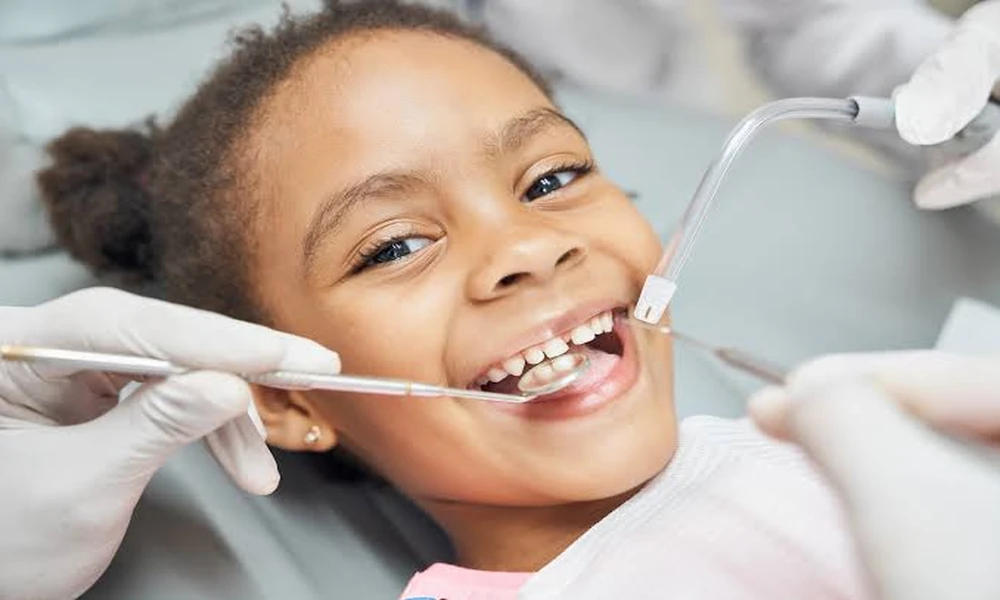
You brush their teeth, remind them to spit, buy the kid friendly toothpaste, and still wonder if you are doing enough. A lot of parents carry that quiet worry. Cavities can show up fast, dental visits can feel tense, and one rough appointment early on can shape how a child feels about the dentist for years. In some cases, parents may even need to restore your tooth with root canal treatment in Pasadena, TX as part of addressing more serious dental concerns.
That is where family dentistry for children makes such a difference. It is not just about cleaning teeth when something looks off. A family dentist helps your child build trust, habits, and comfort from the start, so dental care feels normal instead of scary. That early rhythm often becomes the foundation for lifelong oral health.
Family dentistry gives children a steady start with oral health
Children do better when care feels familiar. Seeing the same dental team over time removes a lot of fear because your child learns what to expect. The office, the chair, the sounds, even the faces stop feeling strange. That matters more than many parents realize, because anxiety often begins with the unknown.
A family dentist also sees your child through each stage. Baby teeth, mixed dentition, braces conversations, sports mouthguards, wisdom teeth planning, all of it connects. Instead of treating each visit like a one time event, the dentist tracks patterns over time. If your child tends to miss spots while brushing, has deep grooves in molars, or is starting to grind their teeth at night, those issues are easier to catch early.
Early care also lowers the odds that small problems turn into painful ones. The CDC shares practical oral health tips for children that support daily prevention at home, but home care works best when it is paired with regular professional guidance. Parents are not expected to spot every early sign of decay or bite changes on their own.
Healthy dental habits become easier when children feel safe
If a child links dental care with stress, even simple routines at home can become a fight. You may have seen it already. Brushing turns into bargaining. Flossing gets skipped. A tiny complaint about a sore tooth gets ignored because your child does not want anyone looking in their mouth. That cycle builds quickly.
A good family dentist breaks that cycle by making visits predictable, calm, and age appropriate. Young children need plain language and patience. School age kids often do better when they understand cause and effect. Teens need privacy, respect, and honest conversations about sugar, sports drinks, braces care, and appearance. The same practice can adapt as your child grows, which is one reason children’s dental care within a family setting tends to feel more natural.
That emotional safety has a practical result. Kids who are less afraid are more likely to cooperate during cleanings, speak up when something hurts, and accept guidance about brushing and flossing. According to the National Institute of Dental and Craniofacial Research, daily brushing with fluoride toothpaste and cleaning between teeth are core parts of good oral hygiene. Those habits stick better when children understand that dental care is routine, not punishment.
Preventive family dentist visits reduce bigger problems later
Prevention is where a family dentist earns trust. Cleanings remove plaque children miss at home. Exams catch decay before it becomes pain. Fluoride treatments help strengthen enamel. Sealants can protect the chewing surfaces of back teeth, where cavities often start. The CDC explains how dental sealants lower cavity risk in children, especially during the cavity prone school years.
That matters financially too. A short preventive visit is easier on your child and usually easier on your budget than fillings, crowns, or emergency treatment after a toothache starts. Many parents know the pattern. A child says their tooth feels “weird,” then a busy week passes, then it becomes a weekend emergency. Preventive care helps you avoid that spiral.
| Approach | What It Looks Like | Likely Result Over Time |
|---|---|---|
| Prevention focused family dental care | Regular exams, cleanings, fluoride, sealants, habit coaching | Fewer cavities, less fear, lower chance of urgent treatment |
| Wait until there is a problem | Visits happen only after pain, swelling, or visible damage | Higher treatment needs, more stress, stronger dental anxiety |
| Home care without professional follow up | Brushing and flossing at home, but no routine dental checks | Good effort, but hidden decay and bite issues may be missed |
Family dentistry supports the whole household, not just one appointment
Parents often need more than a cleaning for their child. They need guidance that fits real life. When should a child stop using a bottle at bedtime? What if brushing causes tears every night? What if one sibling has perfect teeth and another keeps getting cavities? A family dental practice can answer those questions in context, because it sees the family pattern, not just one isolated problem.
That consistency also helps children copy what they see. If brothers, sisters, and parents all treat dental visits like a normal part of health care, the younger child usually follows that lead. The message becomes simple. Teeth matter, care is routine, and getting help early is what people do.
Three steps parents can take right away
Set a steady dental routine. Keep brushing twice a day and start or reinforce flossing based on your child’s age and spacing between teeth. Make the routine boring in the best way, the same time, same order, no debate.
Schedule preventive visits before problems start. If your child only sees a dentist when something hurts, fear gets attached to every appointment. Regular family dentist visits teach your child that dental care usually means support, not pain.
Ask for prevention specific guidance. Bring real questions to the visit. Ask about fluoride, sealants, thumb sucking, grinding, mouth breathing, snacks, and brushing technique. Small adjustments at home can change a child’s dental health for years.
A family dentist helps children carry healthy habits into adulthood
The goal is bigger than clean teeth at one checkup. You want a child who grows into an adult without dental fear, without avoidable damage, and with the habits to protect their smile for life. That is what family dentistry can build over time. It gives children a safe place to learn, practice, and trust the process.
If your child has been nervous, resistant, or overdue for care, you are not behind forever. A calm start can begin at any age, and the next good visit can change a lot.
