


If you have an illness or condition, you may be invited to take part in a clinical trial. There’s no obligation but if you’re struggling to manage your symptoms or have been diagnosed with a serious disease such as cancer, there are potential benefits which warrant proper assessment.

Of course, there are risks as well as possible advantages to taking part in a clinical trial and you should never sign up without properly understanding the process. But how can you reach an informed decision? Here’s what you need to consider.
Do the benefits outweigh the risks?
It’s easy to take a one-sided look at clinical trials, but in reality each will have pros and cons which must be carefully weighed up. The potential benefits could be tempting but if the risks are unacceptable, it may not be the right clinical trial for you.
Participating in Adaptive Phase 1 clinical studies could bring benefits for both you and ultimately, thousands of other patients diagnosed with the same condition. Taking part in a clinical trial may mean that you receive better treatment than would normally be available, and it may increase the options on offer. It can help you to feel more in control of your treatment and receive closer monitoring and care.
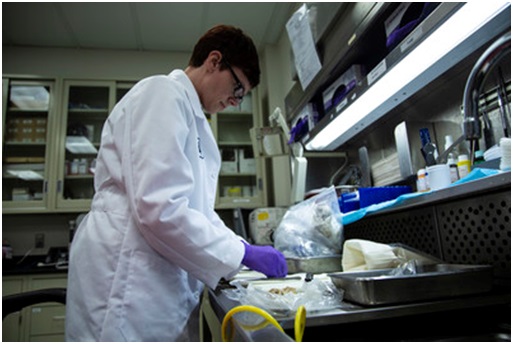
On the flip side, there’s no guarantee that the treatment will work and you may not have a choice about which treatment you receive. There may be unexpected side effects; this is especially the case with early participation such as Adaptive Phase 1 clinical studies. You should also consider the extra visits you’ll need to make to the hospital; for some this may mean unacceptable inconvenience.
Understanding what’s involved
Quite aside from the potential risks, there are other aspects to understand.
Taking part in a clinical trial doesn’t mean you’ll automatically be offered the treatment at all, and you may have no idea about what you’re receiving. Blind studies sometimes involve giving out placebos to check for any psychological effects and remove physician bias.
However, the care you receive should be no worse than the standard care you would otherwise have received, and you should always be treated with absolute compassion.
A personal decision
Only you can decide if a clinical trial is right for you, but it’s worth asking some questions before dismissing the idea.
