

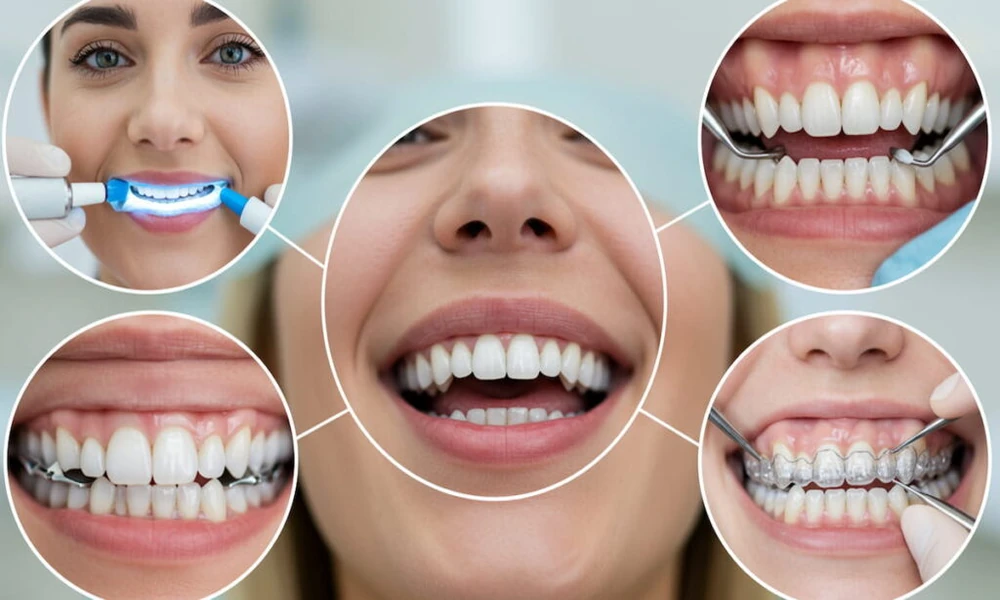
You may be excited about improving your smile and still feel uneasy when the paperwork lands in front of you. That reaction is normal. Cosmetic dentistry often sounds simple in conversation, especially when veneers, reshaping, or dental crowns in Southwest Calgary are described as quick ways to change color, shape, or symmetry. The stress usually starts when you realize the treatment may involve permanent changes to natural tooth structure, and the consent form says very little about that part.
Clear language matters because tooth preparation is not a minor detail. It can mean removing enamel, reshaping edges, adjusting bite surfaces, or changing the contour of a tooth so a veneer or other restoration fits. If a consent form skips over that, you are left agreeing to a result without fully understanding the process. A well written form protects both the patient and the dental practice because it puts the real risks, limits, and long term effects in plain view.
Clear cosmetic dental consent protects patients before treatment begins
A cosmetic procedure can feel elective and low pressure, which makes unclear wording even more risky. You may hear terms like prep, reduction, contouring, or minimal shaving, and each one can sound smaller than it is. In reality, even conservative preparation can be irreversible. Once enamel is removed, it does not grow back.
That is why the American Dental Association stresses the value of informed consent in dental care. Their guidance on types of consent centers on giving patients enough information to make a real decision, not just collecting a signature. For cosmetic treatment, that means the form should spell out what tooth preparation involves, whether it is reversible, what sensations or sensitivity may follow, and what future maintenance may be required.
Patients often assume the main risk is whether they will like how the final smile looks. That is only part of it. A vague form can hide practical concerns you would care about if they were explained clearly, such as temporary sensitivity, the chance that a veneer may need replacement later, or the possibility that a tooth prepared for a cosmetic restoration will always need some type of covering going forward.
Tooth preparation details affect cost, comfort, and long term expectations
When a consent form clearly describes tooth preparation, it helps you connect the procedure to your real life. You are not just choosing a new look. You are choosing a process that may affect comfort, future treatment, and cost over many years.
Take veneers as one example. The ADA’s patient resource on veneers explains that some veneer cases require removing a small amount of enamel before placement. That one sentence carries a lot of weight. A small amount still means a permanent change. If that point is buried or softened in a form, a patient may later feel blindsided by sensitivity, the need for temporaries, or the fact that replacement is part of the long term picture.
The emotional side matters too. People usually seek cosmetic dental work because something about their smile has bothered them for a long time. That can make it easy to focus on the end result and rush past the fine print. Clear consent slows that moment down just enough to let you ask better questions. If treatment is worth doing, it should hold up under honest explanation.
This also matters when a patient hesitates or changes their mind. The ADA addresses that issue in its guidance on managing informed consent and refusal. Refusal is not a failure. It is part of informed decision making. A patient who understands tooth preparation and decides to wait has still been treated with respect.
Cosmetic dentistry consent forms should explain more than benefits
Some forms focus heavily on beautiful outcomes and general risks, then give only a passing reference to preparation. That creates a gap between expectation and reality. A strong form should describe the amount of tooth reduction expected, whether anesthesia may be needed, whether temporary restorations will be used, and what can happen if the final result chips, loosens, or no longer matches surrounding teeth over time.
That level of detail is not alarmist. It is honest. It also supports better case acceptance because patients who understand the process tend to feel more secure in their decision. Confusion creates mistrust. Clarity builds confidence.
What clear consent language should cover before veneer or smile design treatment
| Consent Form Element | Vague Wording | Clear Wording |
|---|---|---|
| Tooth preparation | Teeth may be adjusted as needed | A thin layer of enamel may be removed from the front and edge of the tooth so the veneer fits properly |
| Permanence | Standard cosmetic procedure | Because enamel removal is permanent, the treated tooth will likely need ongoing restoration in the future |
| After effects | Some discomfort is possible | You may have temporary sensitivity to cold, pressure, or air after preparation and placement |
| Future maintenance | Results vary | Veneers and similar restorations can chip, stain at the margins, or need replacement over time |
| Alternatives | Other options discussed | Alternatives may include whitening, bonding, orthodontic treatment, or no treatment, depending on your goals |
Tooth preparation disclosure in dental consent gives you better control
Control comes from understanding what will happen to your natural teeth before treatment starts. That is true whether you are considering veneers, bonding, contouring, or another service from a general and cosmetic dentist. The form should match the conversation in the room. If the dentist says a procedure is conservative, the written consent should explain exactly what conservative means in your case.
Ask for the preparation details in writing. If the form says your teeth will be adjusted, ask how much structure will be removed, which teeth are involved, and whether the change is reversible. Ask the office to add specifics if the language feels broad.
Ask about the long term commitment. Cosmetic treatment can start with one appointment and continue with maintenance for years. Ask how long the restoration typically lasts, what replacement may cost, and what happens if a prepared tooth becomes sensitive or damaged later.
Compare alternatives before you sign. A skilled dental provider should be able to explain whether whitening, bonding, orthodontics, or no treatment could meet your goals with less tooth alteration. A consent form is stronger when alternatives are listed clearly, not rushed through verbally.
You do not need to feel embarrassed for slowing the process down. Cosmetic dental care is personal, and the decision deserves plain words. When consent forms clearly describe tooth preparation, patients make choices with open eyes and fewer regrets. If you are considering treatment with a general and cosmetic dentist, ask for consent language that tells the full story before you sign.
