

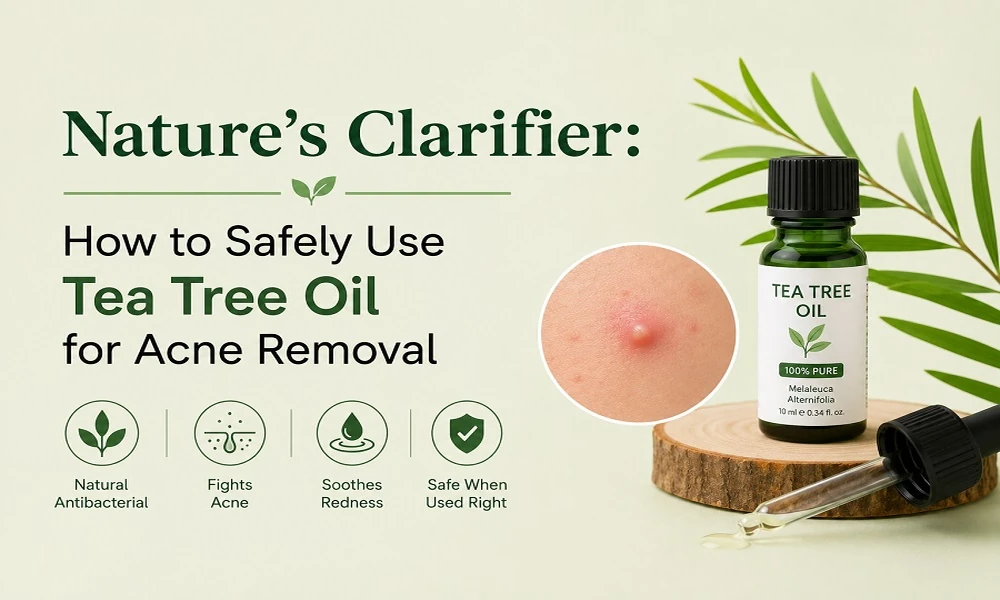
Acne is one of the most frustrating skin conditions. It is totally affecting many people on a daily basis. The market is totally filled with synthetic chemicals, many skincare enthusiasts are turning back to nature for solutions. It is very well renowned for its powerful antibacterial properties. The natural extract has earned a stellar reputation as a biological blemish buster.
Because of the incredibly concentrated substance. Using it in a correct manner can lead to chemical burns, severe peeling and a damaged skin barrier. To attain a clear and glowing complexion, here’s the comprehensive guide that breaks down exactly how to harness the power of tea tree oil safely and effectively.
What is Tea Tree Oil and How it Destroys Acne Bacteria
Tea tree oil soap for acne is an oil distilled from the leaves of the Australian Melaleuca alternifolia tree. To fully comprehend the impact of tea tree oil, you have to consider why acne actually develops in the first place.
Blemishes are typically formed as a consequence of excessive oil as well as dead skin cells plugging up the pores, thus ensnaring bacteria. One of the offenders which totally leads to inflammatory acne is a species of bacteria called Cutibacterium acnes (previously referred to as Propionibacterium acnes).
Tea tree oil is packed with many organic compounds known as terpenes. When you put it on your skin, terpinen-4-ol can destabilize the cell walls of acne-causing bacteria, thereby killing them off.
Because it’s also an anti-inflammatory, it’ll tame some of the redness, puffiness and aching discomfort of an irate breakout. A 5% formulation of tea tree oil will help you get to the same number of acne reductions as Benzoyl Peroxide without all of the excessive peeling, redness, or flaking.
How to Choose the Right Carrier Base for Your Skin Type?
When using tea tree oil for face you have to be careful to always dilute it first in some form of a carrier or medium. The most appropriate one will completely depend on your particular skin type. You should try and find a good anti acne soap for carrying the tea tree oil, one that will carry it down into the pores of your skin without suffocating them.
- Oily & Acne Prone Skin: Go with Jojoba Oil or Squalane. It isn’t a true oil, it is more of a liquid wax ester which is surprisingly similar to human sebum. When applied to the face, jojoba oil totally tricks the skin into thinking it has made too much oil, hence it truly decreases the skin’s production of oil.
- Dry skin: Use Rose hip Seed Oil or Argan Oil. These very effective oils are loaded with nutrients, healthy fatty acids as well as antioxidants that will nourish the flaking and ease the way the tea tree oil heals acne lesions.
- Oil-Averse skin or sensitive Skin: Opt for a neutral fragrance-free moisturizing gel or pure aloe vera.
Why You Must Never Skip the 24-Hour Patch Test?
It is still possible to experience an allergic reaction to even a perfectly diluted form of your essential oils. This entails diluting a single drop of tea tree oil into your base and applying it to a clean section of skin on your inner arm or inner elbow area.
Leave this area undisturbed for a minimum of 24 hours (do not wash it). You are looking for any evidence of redness, inflammation, burning or stinging and/or hives. Any reaction within this period indicates an adverse reaction and you should immediately wash it off and cease all use. Any normal skin is perfectly ready for your oil mixture once the 24 period has completed.
A Step-by-Step Nighttime Application Routine
Use tea tree oil as a spot treatment at night so its active properties can be allowed to effectively work uninterrupted while you sleep, when skin repair cycles naturally kick into high gear.
- Wash up with an ultra gentle cleanser that has a neutral pH balance to wash away any dirt, oil as well as makeup from the surface of the skin.
- After cleansing, gently dry skin with an absolutely clean towel (essential oils can be easily absorbed through damp skin and if so, they can irritate).
- Combine the essential oil and carrier base in the palm of your hand according to the Dozen Drop Rule.
- Dip a clean cotton swab in the blend and apply directly to any active white heads, blackheads or inflammation-inflamed blemishes.
- Do not dab this all over your face.
- Leave it for three to five minutes to soak into the skin.
- Put on your gentle nighttime face cream to seal in your natural oils.
Skincare Ingredients to Never layer with Tea Tree Oil
Today, the world of skincare is packed full of active ingredients, which makes it important that you scrutinize all the other ingredients that you put on your skin in conjunction with your tea tree oil. Never layer tea tree oil with aggressive prescription retinoids, strong concentrations of Retinol, or Benzoyl Peroxide.
Layering either of these potent drying agents with an essential oil would quickly lead to the breakdown of your skin barrier resulting in stinging, cracking, and burning. If you decide that you’d like to incorporate both of these ingredients into your skincare routine, try alternating between a prescription retinoid or chemical exfoliant one night and applying your diluted tea tree oil treatment topically the following night.
Conclusion
It’s the highly effective terpinen-4-ol that researchers have focused on as being particularly well-regarded in dermatology. It has both antimicrobial as well as anti-inflammatory properties. Always buy tea tree oil packaged in an amber or dark blue glass bottle, which blocks harmful ultraviolet light.
Store the bottle in a cool, dark cupboard. Ensure the cap is twisted tightly immediately after use to totally limit oxygen exposure. A standard bottle has a shelf life of roughly 12 months after opening. If your oil begins to smell rancid, sour or noticeably different from its original sharp, medicinal scent, discard it immediately.
