


Orthognathic surgery is also referred to as corrective jaw surgery, corrects serious bone defects. It includes the positioning of jaw and teeth. Braces have a fixing role in teeth straightening, while surgery addresses the underlying bone structure. This process enhances chewing, speaking and breathing.
Sloss Ortho is a well-known kids orthodontist Centennial CO clinic that collaborates with the best surgeons to treat such complicated cases. They provide an all-round service and have a great track record of success. The parents feel assured that at the close of the treatment process, their child will wear a confident smile.
Why Is the Procedure Necessary?
There are jaw problems that cannot be corrected only with the help of braces. A patient can have highly overbite issue or protruding lower jaw. Others might complain of gummy smile, or facial asymmetry. When the jaws fail to meet correctly, it causes strain on the joints.
Surgery is used to re-align the bones so as to come up with a functional bite. It boosts physical appearance on the face as well. Usually, doctors recommend this option after a person has finished growing.
The Preparation and Planning Phase
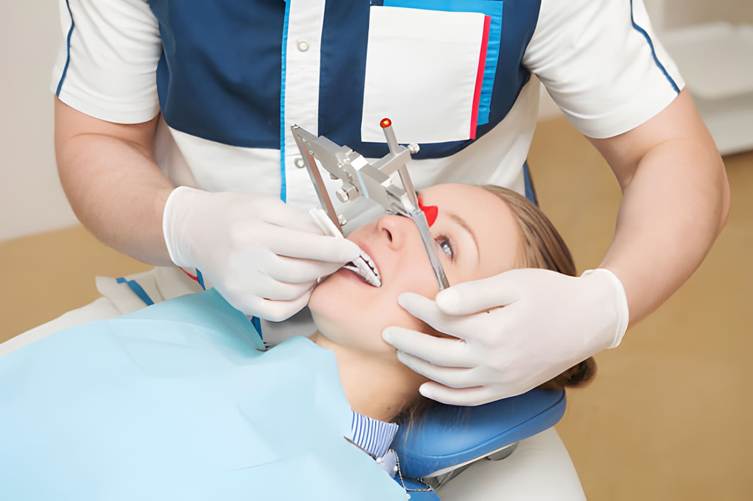
This process starts way before the surgical operation. Orthodontists plan the movements through the use of 3D models and digital imaging. You will probably have to wear braces a few months before the procedure. This helps to match the teeth in order to fit together after the jaw is moved.
Your surgical team will use virtual planning software to show the expected outcome. This high-tech approach ensures precision during the operation. Proper preparation makes the recovery phase much smoother for the patient.
What Happens During Surgery?
Surgery is carried on in a hospital under general anesthesia. The surgeon cuts holes within the mouth so that there is no visible scarring. They excise the jawbones, which is carefully put back into place. The bone is held in place using small plates and screws.
Titanium is used to manufacture these hardware components which are non-toxic to the body. In other instances, additional bone can be put on the jaw. It can take a number of hours depending on the complexity of the process. After it is completed, the surgeon will close the incisions using dissolvable stitches.
Recovery and Healing at Home
A majority of the patients will spend one or two days in the hospital. The first healing normally takes a period of six weeks, although complete healing may require more time. At the beginning, you will be required to abide by a hard diet of liquids or soft foods. This will avoid straining of the jaw as the bones heal.
The first two weeks are characterized by swelling and bruising. Your physician will prescribe drugs to take care of any pain. During this period, one should rest and not engage in any heavy labor. Majority of the people resume work or school in three weeks.
Final Orthodontic Modification
Once the jaw is healed the orthodontist completes the treatment. You will also have braces on your teeth to refine the positions of your teeth. This last stage normally takes six to twelve months. It will guarantee a perfectly balanced bite.
The outcomes of the corrective jaw surgery are usually life altering. Patients experience improved sleep and easier eating practices. An even jaw also increases self-esteem and facial balance. It is not an easy task, but good smile is worth it.
