

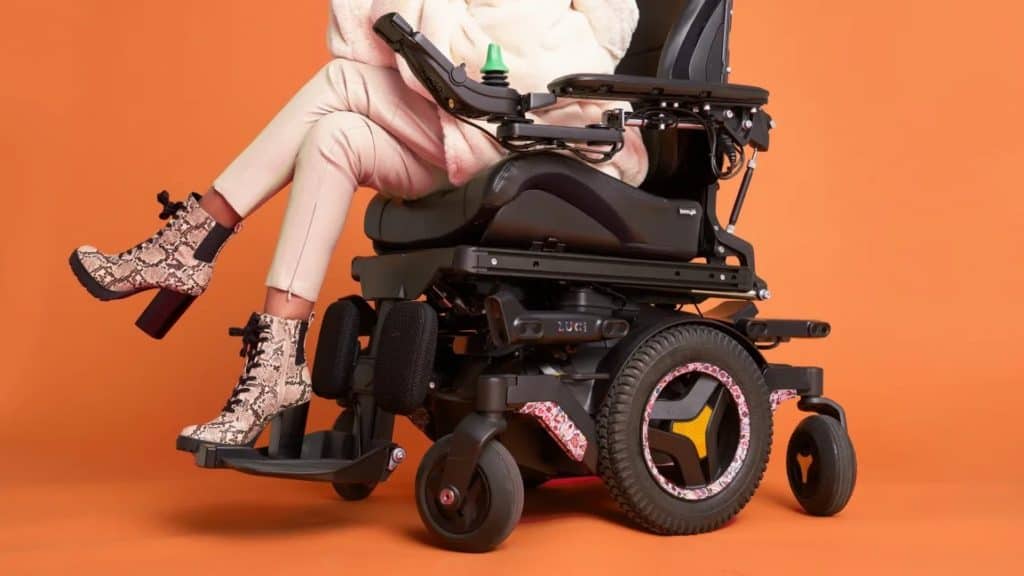
Transit wheelchairs are easily transportable chairs. They are light but compact with the aim of assisted mobility. A foldable wheelchair version of these chairs adds even more convenience, making storage and transport simpler for both users and caregivers. They also have the advantage of requiring an attendant to move around, unlike manually propelled chairs that occupy their passengers in short distances like hospitals, airports, or care facilities.
1. The Right Chair
Transit wheelchairs are light in frame and have small wheels, thus can be easily pushed on smooth surfaces. They can not do rough terrain or long distances, standard or active chairs can be used to travel long distances on its own.
2. Seated properly
• Make sure the passenger is seated properly.
• Manage and buckle seat straps and adjust a cushion on a padded wheelchair.
• The footrests that are swinging or folded during the transfer of the passenger need to be unfolded after the same.
3. Comfort and Safety
Transit chairs normally have padded seats, with armrests and footrests that can either fold or swing out; They have smaller wheels and are lighter, making them easier to manoeuvre, however, this lowers the stability of the ride on any uneven surfaces, hence, good on level floors.
4. Changement of Chair
On level ground: You can push on the backs of the handles; ventilate where there is danger of the wheels coming off, by a sharp turn at high speed.
Over shorter ranges: Two assistants may trade off pushing in case of necessity, particularly, with the passengers who need additional attention.
• Stairs (if chair supports it): On stairs it is possible to use specialized models such as tri-wheels or tracked transit chairs which enable the user to move in a safe manner up and down stairways
5. On and off moving on with the Chair
Before transfer:
• Set the brakes.
• Avoid tripping hard by swinging or removing footrests.
• Explain what you will do for the passenger.
In the course of transfer:
• Make the chair as close to the destination seat as possible.
Bend your knees, it is best to use a gait belt in case it is present. Before moving, ensure that the passenger is tied using lap belts or harnesses.
In case of a fall, avoid catching them and drop them to the ground and call for assistance using a chair or bed as the surface to avoid injuries. Communication should be provided with clarity: state every step and how they can help.
6. Post-Movement Procedure
Once the destination is reached:
1. Lock brakes.
2. Swing away footrests.
3. Organise the armrests or gait belt to assist the passenger to stand up.
4. Be sure it will not hurt them then retreat.
7. Training & Pacs
When you are a professional pusher of transit chairs, whether in the medical sector or transit, you need to have the appropriate manual-handling training. You will get to know the differences between models and how they are applicable. There are lots of organisations that would be asked to be certified first
8. Emergencies and Safe Use Handling
Always apply the chair on even surfaces.
• Ensure that the chair is free and avoid sitting on a Chair filled with bags.
• Be extra careful on slopes or ramps, in particular, the chair is not very stable with smaller wheels.
When moving a passenger downstairs, use chairs that are meant to do that and act according to instructions for operating those chairs
In short, transit wheelchairs would be indispensable when applying assisted short-distance mobility; with appropriate preparation, communication, and training.
