

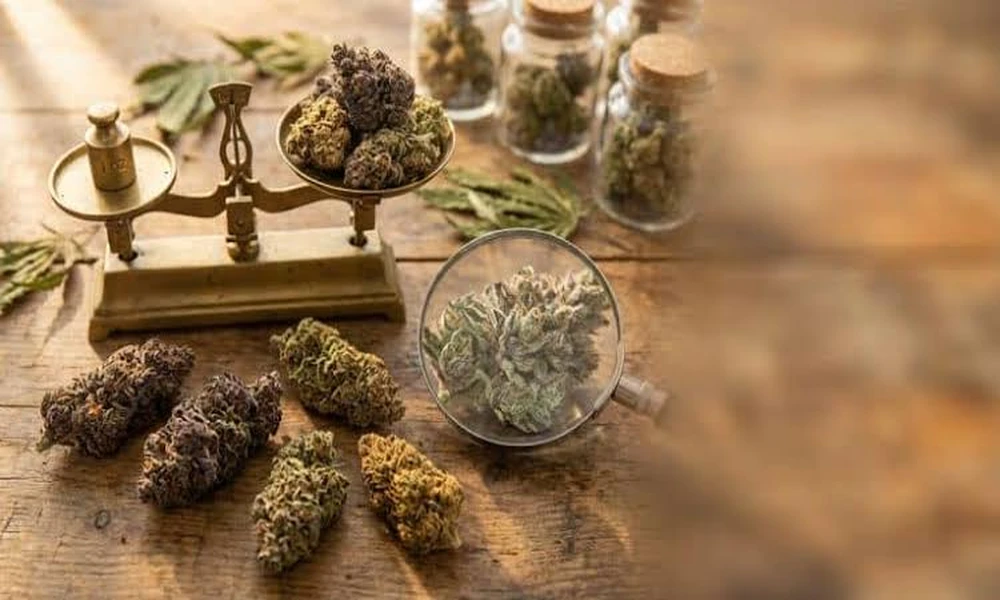
Exhale Wellness built its THCA flower lineup around a compound most consumers have only recently started paying attention to. Cannabis plant material contains tetrahydrocannabinolic acid, a raw acidic form of THC. It has no psychoactive effects on its own. Heat completely changes that. THCA is converted into active THC when the flower is combusted or vaporised. Therefore, hemp-derived THCA flower has a peculiar but legal significance. While it appears to be compliant on paper, it delivers a similar experience to traditional cannabis.
A lot of genetic history goes into Bubba Kush. It has been cultivated and consumed for long enough that its characteristics are well known. Bud structure is dense, the coating is resinous, and the scent is earthy and slightly sweet with chocolate or coffee undertones. These qualities remain intact when transferred to THCA flower products. Before activation, the primary cannabinoid takes a different molecular form. Classification depends on that distinction. Using the flower makes a difference less.
How does Bubba Kush perform?
Does this strain hold up as a THCA product the way it did as a conventional indica? For the most part, yes, provided the cultivation was handled with attention to terpene preservation. Bubba Kush carries myrcene as a dominant terpene, followed by caryophyllene and often limonene in smaller concentrations. These compounds do not just define the smell. They shape the texture of the experience alongside the converted THC, which is why terpene integrity during curing and packaging matters as much as the THCA percentage printed on the label.
Flower sourced through Exhale Wellness reflects standards that prioritise integrity. The burns tend to be even, the draw is smooth, and the profile stays recognisable across batches. Those are not minor details for a strain like Bubba Kush, where the expectation is already set before the first use.
Evening use and indica traits
Bubba Kush has always carried a reputation for sitting heavy. That is not a flaw. It is precisely the point for evening consumption. The physical quality of the experience discourages activity rather than encouraging it. Myrcene plays a role here, widely noted for properties that lean toward physical ease rather than mental stimulation. Caryophyllene adds a layer that some describe as grounding. Together, the terpene profile supports a wind-down context far better than a midday or morning one.
There is also a practical dimension worth noting. Evening use reduces the variables that could complicate a session with high-potency flower. Fewer obligations, lower environmental demands, and no need to stay sharp afterwards. These conditions allow a consumer to gauge how the converted THCA actually affects them without external pressure distorting that read. Bubba Kush does not rush its onset, which gives that process enough time to register clearly.
The genetic profile of every product labelled Bubba Kush varies. Inconsistent terpene ratios, weaker aromas, and bud density that is subpar are all signs of phenotype drift across cultivation cycles. Testing by a third party addresses the cannabinoid issue. The rest is addressed by sensory consistency across batches.
