

How TCM Clinics Combine Cupping and Acupuncture for Faster Recovery
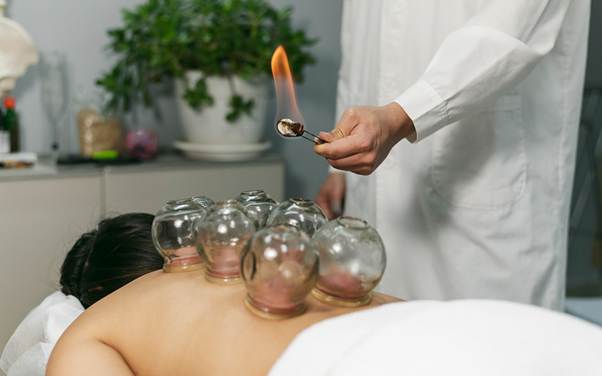
Modern healthcare increasingly recognises the benefits of holistic approaches that stimulate the body’s natural healing ability. In Singapore, a traditional Chinese medicine clinic often blends cupping and acupuncture to restore balance, relieve pain, and support faster recovery. Both therapies share the same foundation in traditional Chinese medicine (TCM), promoting energy flow and removing blockages in the body. Their combined use helps patients recover more effectively, especially after injury, fatigue, or chronic pain.
Understanding Cupping Therapy and Its Role in Healing
Cupping therapy in Singapore involves creating suction on the skin using heated glass cups or mechanical devices. The suction pulls the skin slightly upward, increasing blood circulation and stimulating muscle recovery. Practitioners use it to draw out stagnation, relieve muscle tightness, and promote the movement of qi—the body’s vital energy.
Patients undergoing cupping experience a gentle pulling sensation that releases tension within muscles and fascia. The therapy encourages the body to remove waste products through the lymphatic system while bringing fresh, oxygen-rich blood to the surface. Red or purple circular marks sometimes appear after the session; they indicate areas where toxins or stagnation were released. These marks typically fade within a few days, leaving the treated area feeling lighter and more relaxed.
Cupping therapy works well for individuals dealing with muscle stiffness, chronic pain, or fatigue. It also supports the immune system by stimulating blood and lymph flow. Many patients in Singapore find it particularly effective for neck, shoulder, and back pain, as it eases tightness and restores comfort without invasive procedures.
How Acupuncture Enhances Recovery
Acupuncture involves inserting fine needles into specific points along the body’s meridians to restore energy flow. It is one of the most recognised treatments in any traditional Chinese medicine clinic and plays a central role in TCM practice. Acupuncture works by stimulating nerves, muscles, and connective tissues, triggering natural painkillers and improving blood circulation.
Each needle placement corresponds to a targeted function—whether relieving pain, reducing inflammation, or regulating body systems. The stimulation encourages the body to self-repair and restore internal harmony. Research supports acupuncture’s ability to reduce tension, improve sleep, and enhance energy levels.
When performed by a qualified TCM practitioner, acupuncture sessions remain safe and highly precise. Patients usually experience mild sensations such as tingling or warmth, followed by a deep sense of relaxation. Repeated sessions help maintain balance, boost energy flow, and improve recovery from physical strain or chronic discomfort.
Why Combining Cupping and Acupuncture Works Better
While cupping therapy focuses on improving circulation and easing muscle tension, acupuncture targets the body’s energy system to address pain and dysfunction at a deeper level. When combined, these therapies complement each other and produce faster, more comprehensive results.
A typical session in a traditional Chinese medicine clinic may begin with cupping to release surface stagnation and loosen muscle fibres. This prepares the body for acupuncture by allowing energy to move freely through the meridians. After cupping, acupuncture needles are inserted to stimulate internal healing points, reinforcing the effects of the earlier therapy.
Together, the two treatments accelerate recovery by improving blood flow, promoting detoxification, and balancing the nervous system. They reduce inflammation, enhance tissue repair, and provide relief from musculoskeletal pain, migraines, and stress-related tension. Athletes, office workers, and individuals recovering from injuries often benefit from this combined approach. The dual therapy also helps maintain long-term wellness by keeping the body’s energy balanced and responsive to stress.
What Patients Can Expect from a TCM Session
Patients seeking cupping therapy in Singapore often consult a TCM physician who conducts a detailed evaluation of their condition, lifestyle, and health goals. The practitioner then recommends a treatment plan combining acupuncture, cupping, or herbal remedies tailored to the patient’s body type and symptoms.
During the session, the physician applies sterilised cups or needles while maintaining precise control over placement and duration. Treatment may last between 30 and 60 minutes, depending on individual needs. Patients frequently report feeling lighter, more energised, and less tense after each visit. Over time, consistent sessions help restore the body’s balance and prevent recurring pain.
Practitioners monitor progress closely and make necessary adjustments to ensure sustainable improvement. The approach centres on harmony, restoring the body’s natural rhythm rather than masking symptoms.
Experience the benefits of combined cupping and acupuncture with expert care. Contact NovaHealth TCM Clinic today for trusted TCM treatment and therapies in Singapore that promote balance, faster recovery, and long-term wellness.
