

Interoperability and Electronic Health Records (EHRs)
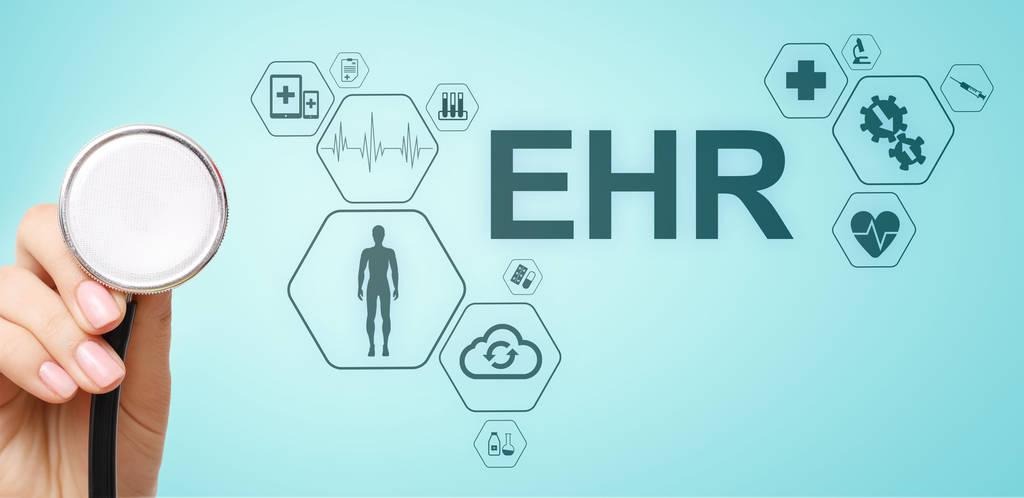
Interoperability and Electronic Health Records (EHRs) are closely connected concepts that play a critical role in modern healthcare systems. As healthcare becomes increasingly digital, the ability for different systems to share, access, and interpret patient data efficiently has become essential. Interoperability ensures that EHRs can communicate with one another, allowing healthcare providers to deliver more coordinated, accurate, and patient-centered care across organizations and care settings.
Understanding Interoperability in Healthcare
Interoperability in healthcare is the capacity of various information systems, devices and applications to share information and utilize the information productively. Interoperability in EHR implies that the records of patients can freely transfer between hospitals, clinics, laboratories, pharmacies, and other healthcare providers.
More than just relaying information between systems, true interoperability is more. It also makes sure that information is transmitted in standardized formats to enable their understanding, interpretation and action by the receiving systems. The ability is important in a healthcare setting where a patient may end up receiving care by a number of providers over the course of his/her lifetime. Read this article to learn more interoperability and the role it has in the healthcare system.
The Role of EHRs in Modern Healthcare
Electronic Health Records are electronic copies of medical history of the patients and are the primary repository of clinical data. Interoperability and Electronic Health Records EHRs contain vital information like diagnoses, medications, lab report, imaging report, allergies, immunizations and treatment plans. EHRs increase accessibility, minimize errors, and simplify clinical processes by substituting paper records.
Nevertheless, there are numerous healthcare organizations that operate various EHR systems of various vendors. These systems lack interoperability which means that their operations are in silos and this limits the information sharing and effectiveness of digital records. Interoperability enables maximum utilization of EHRs since data is transmitted safely between systems.
Levels of Interoperability
There are three levels of interoperability that are usually outlined. Basic data interchange among systems occurs through basic interoperability. Structural interoperability makes the data to be structured in a uniform way that makes sense to the systems. The highest level is semantic interoperability in which the meaning of the data is maintained and understood between systems.
Semantic interoperability, in particular, is important to clinical decision-making. It enables clinicians to use common information to diagnose and plan treatments and even safety of patients without any confusion or misunderstanding.
Benefits of Interoperable EHR Systems
EHR systems that are interoperable have tremendous advantages to healthcare providers. Clinicians can now access all and updated patient data which can help them make decisions and enhance coordination of care. This also minimizes redundant duplication, decreases medical errors and improves efficiency.
Interoperability and EHR systems are also beneficial to patients. Care transition is a safer and easier task when the providers have the entire medical history of a patient. Interoperability facilitates continuity of care particularly among chronic patients or those who have complex medical conditions. Moreover, portals and apps can provide the patients with their health information, which will allow them to become a more active participant in managing their health.
Improving Efficiency and Reducing Costs
Interoperability enhances efficiency in healthcare through decreased administration. The healthcare personnel have less time in requesting the records, manually handling data or balancing the information between two or more systems. This simplified work process enables the providers to work on patients instead of completing documents.
Financially interoperable EHRs assist in cost reduction through the eradication of redundant testing, avoiding errors, and enhancing operational efficiency. They also facilitate value-based care models and population health management because they provide the opportunity to analyze data in terms of various patient groups.
Challenges to Achieving Interoperability
Even after all these advantages, full EHR interoperability is not an easy task. Most organizations are using dated systems that do not go hand in hand with the current technologies. Other issues that can slow the progress are data standardization, privacy issues and the cost of implementation.
These challenges need to be solved with the involvement of healthcare providers, technology manufacturers, and regulators. The use of data standards, secure data exchange standards and current integration tools is critical to long-term success.
The Future of Interoperability and EHRs
Connected systems and smooth exchange of data are the future of healthcare. The development of APIs, cloud-based and national data standards is increasing the pace of interoperability adoption. Regulation efforts are also promoting more data sharing and access by patients. Go to this site to read more about the future of Interoperability and Electronic Health Records (EHRs).
Conclusion
Interoperability and EHRs are foundational to a connected, efficient, and patient-centered healthcare system. By enabling secure, meaningful data exchange, interoperable EHRs improve care quality, enhance efficiency, reduce costs, and empower patients. As healthcare continues to evolve, interoperability will remain a key driver of better outcomes, innovation, and collaboration across the healthcare ecosystem.
