

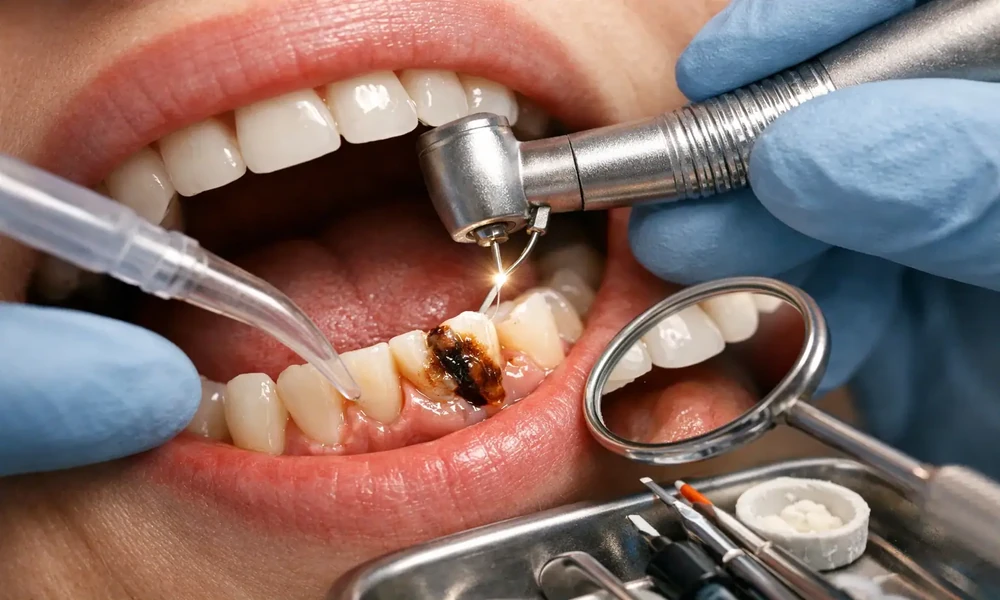
Oral surgery takes place in one of the most challenging environments in the human body. Unlike many other surgical areas, the mouth naturally contains millions of bacteria. While most of these microorganisms play a normal role in oral health, they can create complications when they enter surgical sites.
For this reason, preventing contamination remains a top priority during every oral surgical procedure. Dentists, oral surgeons, and surgical teams follow strict infection-control protocols to protect patients and support proper healing. Even so, contamination can still occur when certain factors increase the risk of bacteria or other harmful microorganisms reaching vulnerable tissues.
Understanding the causes of contamination helps patients appreciate why oral surgeons emphasize preparation, sterilization, and post-operative care. It also highlights the important steps that reduce complications and improve recovery outcomes.
Key Takeaways
- The mouth naturally contains bacteria, making contamination control essential during oral surgery.
- Surgical instruments, environmental factors, and patient-related conditions can influence contamination risk.
- Proper sterilization and infection-control practices help reduce complications.
- Good communication between patients and providers supports safer recovery.
- Following post-operative instructions plays an important role in preventing infection.
Why Contamination Matters in Oral Surgery
Contamination occurs when microorganisms enter a surgical area and interfere with healing. While contamination does not always lead to infection, it can increase the likelihood of complications if harmful bacteria multiply within the surgical site.
Oral surgeries often involve tooth extractions, dental implants, bone grafting, corrective jaw procedures, and soft tissue treatments. Because these procedures expose underlying tissues, maintaining a clean surgical field becomes critical.
During treatment, oral surgeons rely on carefully sterilized instruments like maxillofacial awls, files and strippers for oral surgery, to perform precise surgical tasks while maintaining strict infection-control standards.
The Natural Bacterial Environment of the Mouth
One of the biggest challenges in oral surgery comes from the mouth itself. The oral cavity contains hundreds of bacterial species. These microorganisms live on the teeth, gums, tongue, and surrounding tissues. Most remain harmless under normal conditions, but surgery can create openings that allow bacteria to enter deeper tissues.
This does not mean oral surgery is unsafe. Instead, it explains why surgeons use antiseptic rinses, sterile barriers, and controlled surgical techniques throughout the procedure.
Factors That Increase Risk
Certain conditions can make contamination more likely:
- Poor oral hygiene before surgery
- Existing gum disease
- Untreated dental infections
- Heavy plaque accumulation
- Tobacco use
Addressing these issues before surgery often helps reduce complications.
Instrument Handling and Sterilization Challenges
Sterilized instruments form the foundation of safe surgical practice. Every instrument must undergo proper cleaning, packaging, and sterilization before use.
Even minor lapses in handling procedures can increase contamination risks. For this reason, dental clinics and surgical centers follow strict protocols designed to eliminate microorganisms from surgical equipment.
Modern sterilization methods include steam sterilization, chemical sterilization systems, and routine monitoring procedures that verify equipment performance.
Environmental Factors inside the Surgical Setting
The treatment environment also influences contamination control. Air quality, surface cleanliness, and staff hygiene all contribute to maintaining a safe surgical space. Surgical teams follow established protocols that minimize unnecessary movement and reduce exposure to potential contaminants.
Protective barriers such as gloves, masks, gowns, and sterile drapes create additional layers of protection throughout the procedure.
Attention to Small Details
Simple actions help reduce contamination risks:
- Frequent hand hygiene
- Proper use of personal protective equipment
- Disinfection of treatment surfaces
- Safe storage of sterile supplies
- Controlled instrument transfer techniques
These measures work together to support patient safety.
Patient Health Can Influence Surgical Outcomes
A patient’s overall health also affects contamination risk. Certain medical conditions can weaken the body’s ability to fight harmful microorganisms. Diabetes, immune system disorders, and some medications may slow healing or increase susceptibility to infection.
Patients should provide complete medical histories before surgery so providers can identify potential concerns and plan appropriate preventive measures.
The Role of Pre-Surgical Preparation
Pre-operative preparation often includes:
- Reviewing medical history
- Evaluating current medications
- Assessing oral health status
- Providing hygiene instructions
- Discussing recovery expectations
These steps help create safer surgical conditions from the start.
Post-Surgical Care and Contamination Prevention
Contamination risks do not end when surgery is complete. The healing phase plays a major role in preventing infection. Patients who follow post-operative instructions carefully often experience smoother recoveries and fewer complications.
Oral surgeons commonly recommend avoiding certain foods, maintaining gentle oral hygiene, and attending follow-up appointments to monitor healing progress.
Ignoring aftercare instructions can expose healing tissues to bacteria and increase the likelihood of problems.
How Modern Oral Surgery Reduces Risk
Advances in surgical techniques continue to improve infection-control practices. Improved sterilization systems, enhanced protective equipment, digital planning tools, and evidence-based treatment protocols help reduce contamination risks across a wide range of procedures.
Professional organizations and healthcare regulators also update infection-prevention guidelines regularly, ensuring providers follow current best practices. As a result, oral surgery today remains safer and more predictable than ever before.
Conclusion
Contamination in oral surgery can arise from several sources, including the mouth’s natural bacteria, instrument handling issues, environmental factors, patient health conditions, and inadequate post-operative care. While these risks cannot be eliminated entirely, modern infection-control protocols significantly reduce their impact.
Successful oral surgery depends on a combination of skilled clinical care, proper sterilization, careful preparation, and patient cooperation during recovery. When all of these elements work together, surgical sites heal more effectively, complications become less likely, and patients can move forward with greater confidence in their treatment outcomes.
